

Three Lessons Learned from My First Clinical Trial
Three things Paige Mullins learned from developing the massage intervention for the Integrative Medicine for Pain in Patients with Advanced Cancer Trial.
Research has revealed a lot about massage. Up until the mid-1980s, we had some ideas about what was happening under our hands, and we made best guesses based on tradition and observations about how to do our work safely. Mostly we did a good job at this, but we made some mistakes too.
As interest in this low-risk and highly popular intervention began to climb, the practice of massage got more attention from the research field. As a result, we discovered that some of the assumptions we made about our work were not accurate. This doesn't mean massage isn't effective, but now we can gather reliable information about how and for whom massage can be most helpful.
Research has allowed practitioners to target their skills. And because we can now test some of the traditional "common wisdom" about massage, we can abandon some of the myths we used to believe—and that still show up in some places that have not updated their information. For instance, research does not support the idea that massage "flushes toxins." It is a fine idea, but not crucial, to drink water after your session. And we used to think that massage was dangerous for cancer patients, but research shows that skilled massage offers many benefits for this population. These and many more discoveries have changed the way we think about and use massage therapy.
While most research is conducted in the context of illnesses or conditions, some studies have looked at bodywork for healthy people and concluded that massage therapy for wellness or for stress relief is consistently effective in a variety of ways. Even a simple hand massage appears to move healthy people into a relaxed state.1 A comparison of traditional Swedish massage and Thai massage found that Swedish massage produced stronger relaxation responses and improved sleep, while Thai massage led to a sense of energy and revitalization.2 Improvements in immune system function, along with reductions in stress-related hormones, have been found as well.3 More specific effects of massage for stress are covered in the context of some of the conditions listed below.
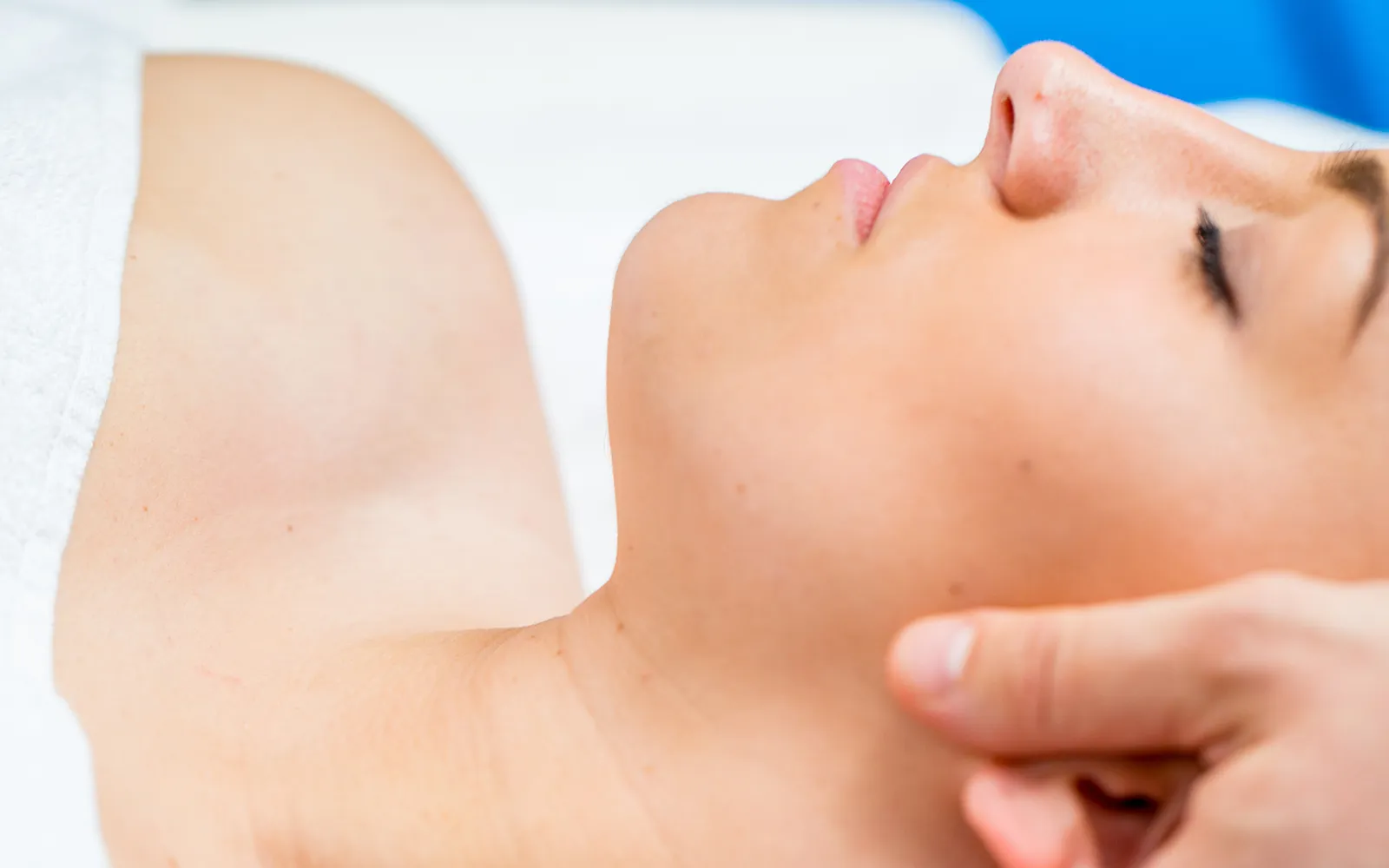
The research about massage for athletes is not always consistent; it seems to depend a lot on the sport in question and the type of athlete being studied. In general, massage appears to be a better choice after an event than before it.4 One study found that massage may improve strength in muscles damaged by overuse;5 another suggests that people who receive massage feel they recover from overexertion more quickly, so they can return to training sooner.6 A systematic review of several studies found that immune system recovery is supported by postexercise massage.7
All this said, it is important to point out that some studies have not found that massage therapy is effective in aiding athletic performance or speeding healing after exertion, so there is more to be discovered about this question.
Muscular aches and pains drive many clients to seek massage. Here is a synopsis of what the most current research says about this intervention:
Muscle and tendon injuries. Muscle and tendon injuries are usually related to overuse. Research has revealed that when these injuries persist, traditional anti-inflammatories are not effective, and physicians are encouraged to explore noninvasive options before recommending surgical repair.
Fortunately, these injuries often respond well to manual therapies. Studies of tendon injuries in a violinist8 at the elbow,9 Achilles tendon,10 and knee11 show that skilled massage therapy can be a helpful contributor to successful muscle and tendon recovery.
Sprains. Sprains (torn ligaments) often respond well to massage therapy along with some movement therapy. Research has shown that stimulating nerves in the area of sprains can improve balance and stability, especially around the ankle.12
Plantar fasciitis. Many physicians recommend massage therapy, especially to the muscles of the lower leg, as part of treatment for plantar fasciitis.13 However, relatively little research has been done on this topic. One study compared massage and exercise to ultrasound and exercise, and found that massage led to longer-lasting relief for the participants,14 and a small systematic review found support for soft tissue mobilization to help patients with plantar fasciitis.15
Carpal tunnel syndrome (CTS). A systematic review combining findings from dozens of studies found that massage therapy was helpful for CTS symptoms.16 This supports similar conclusions of studies that found patients with CTS who received massage had significant decreases in symptom severity and improvements in strength and function of their hands and wrists—especially in comparison with other interventions.17
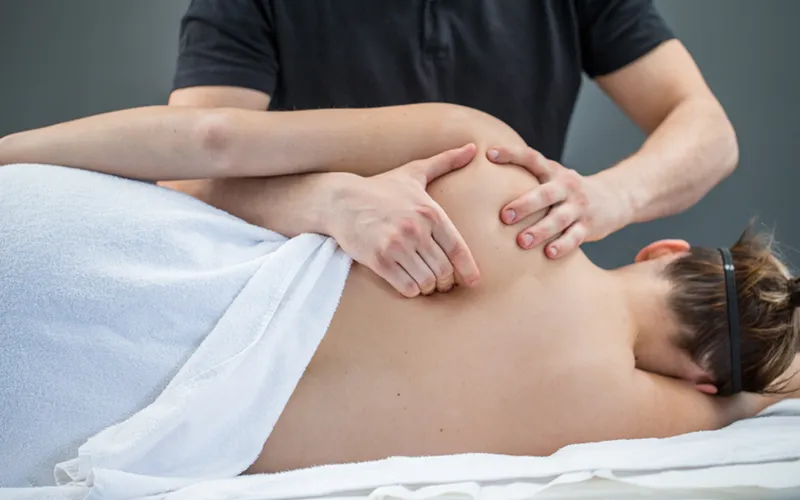
We used to think that because many types of massage claim to boost circulation (this is not strongly supported by research, by the way), and because cancer uses the blood and lymphatic systems to spread (it does, but it is an extremely complicated and multifactorial process), then massage therapy must be dangerous for any and all cancer patients. Research has revealed that carefully applied, highly skilled massage therapy for people with cancer may offer many benefits, including:
The benefits of massage therapy are so well demonstrated in the research that massage and manual lymphatic drainage are recommended in clinical practice guidelines, specifically for women in treatment for breast cancer.23
Massage therapy for pain in general has a strong evidence base, led by a massive systematic review comprising nearly 70 studies that found it compares well with several other interventions for pain and restored function, and that it has the added benefit of having a low risk of adverse events.24 Another systematic review found evidence in favor of massage, along with several other nonpharmacologic interventions, for chronic noncancer pain.25
Back and neck pain. The American College of Physicians recommends massage as an early option for acute and subacute low-back pain.26 This is supported by evidence in favor of massage alone, or massage plus exercise for back pain.27 Craniosacral therapy has also been seen to be helpful for chronic, uncomplicated low-back pain.28 And a systematic review of nonpharmacologic therapies for low-back pain recommends massage among other interventions.29
Similarly, manual therapy has robust evidence for clients with neck pain in a variety of settings, so it is often included in clinical practice guidelines for managing neck pain.30
Pain related to fibromyalgia. Research supports massage therapy for fibromyalgia, specifically for pain, anxiety, quality of life, and sleep.31 The best results were seen with long-term treatments, so this suggests that people with fibromyalgia commit to several weeks of regular massage to derive the most benefit.32
Headaches. Headaches, especially tension-type headaches and those related to neck pain and trigger points, appear to respond well to massage therapy. Researchers found that patients experienced lower levels of pain and reduced frequency.33 All these findings support a systematic review that found massage can be as effective as pharmacological interventions for tension-type headaches.34 Massage therapy is so consistently helpful that it is recommended in clinical guidelines for headache care.35
Pain in the context of opioids. Because massage therapy is demonstrably effective for many kinds of pain, and because it is a comparatively low-risk treatment option, it is generating a lot of interest in the context of reducing the need for opioid drugs. Several policy-making organizations, including
The Joint Commission, The US Department of Health and Human Services, and the American Society of Interventional Pain Physicians, have published strategies that could include massage therapy as a part of pain management to reduce reliance on opioid drugs.36
Massage therapy research is an exciting field that helps the profession evolve and grow. There is so much more for us to learn and discover.
Author's note: This content is offered as an evidence-informed summary of what we generally understand are some of the benefits of massage therapy. It is not an exhaustive literature review, which requires a different level of analysis of the cited studies.
Editor's note: This is a selection of excerpts from a much larger piece on the benefits of massage as demonstrated by research. If you work with a client population that is not included here or want to dive deeper into the research on the benefits of massage, be sure to read more below.
1. Hiroko Kunikata et al., "The Effects Measurement of Hand Massage by the Autonomic Activity and Psychological Indicators," The Journal of Medical Investigation 59, no. 1,2 (2012): 206-12, https://doi.org/10.2152/jmi.59.206.
2. Alasdair MacSween et al., "A Randomised Crossover Trial Comparing Thai and Swedish Massage for Fatigue and Depleted Energy," Journal of Bodywork and Movement Therapies 22, no. 3 (July 2018): 817-28, https://doi.org/10.1016/j.jbmt.2017.09.014.
3. Débora M. Barreto and Marcus V. A. Batista, "Swedish Massage: A Systematic Review of Its Physical and Psychological Benefits," Advances in Mind-Body Medicine 31, no. 2 (Spring 2017): 16-20; Judy M. Lovas et al., "The Effects of Massage Therapy on the Human Immune Response in Healthy Adults," Journal of Bodywork and Movement Therapies 6, no. 3 (July 1, 2002): 143-50, https://doi.org/10.1054/jbmt.2001.0251; Mark H. Rapaport, Pamela Schettler, and Catherine Bresee, "A Preliminary Study of the Effects of Repeated Massage on Hypothalamic-Pituitary-Adrenal and Immune Function in Healthy Individuals: A Study of Mechanisms of Action and Dosage," Journal of Alternative and Complementary Medicine 18, no. 8 (August 2012): 789-97, https://doi.org/10.1089/acm.2011.0071.
4. Koya Mine, Di Lei, and Takashi Nakayama, "Is Pre-Performance Massage Effective To Improve Maximal Muscle Strength And Functional Performance? A Systematic Review," International Journal of Sports Physical Therapy 13, no. 5 (August 2018): 789-99.
5. Mal-Soon Shin and Yun-Hee Sung, "Effects of Massage on Muscular Strength and Proprioception After Exercise-Induced Muscle Damage," Journal of Strength and Conditioning Research 29, no. 8 (August 2015): 2255-60, https://doi.org/10.1519/JSC.0000000000000688.
6. Wigand Poppendieck et al., "Massage and Performance Recovery: A Meta-Analytical Review," Sports Medicine (Auckland, N.Z.) 46, no. 2 (February 2016): 183-204, https://doi.org/10.1007/s40279-015-0420-x.
7. Victor Tejero-Fernández et al., "Immunological Effects of Massage after Exercise: A Systematic Review," Physical Therapy in Sport: Official Journal of the Association of Chartered Physiotherapists in Sports Medicine 16, no. 2 (May 2015): 187-92, https://doi.org/10.1016/j.ptsp.2014.07.001.
8. Iwona Wilk et al., "The Application of Tensegrity Massage in a Professionally Active Musician - Case Report," Rehabilitation Nursing: The Official Journal of the Association of Rehabilitation Nurses 41, no. 3 (June 2016): 179-92, https://doi.org/10.1002/rnj.152.
9. Rosemary Yi, Walter W. Bratchenko, and Virak Tan, "Deep Friction Massage Versus Steroid Injection in the Treatment of Lateral Epicondylitis," Hand (New York, N.Y.) 13, no. 1 (January 2018): 56-59, https://doi.org/10.1177/1558944717692088.
10. Hong-Yun Li and Ying-Hui Hua, "Achilles Tendinopathy: Current Concepts about the Basic Science and Clinical Treatments," research article, BioMed Research International, 2016, https://doi.org/10.1155/2016/6492597.
11. J. Cook and K. Khan, "What Is the Most Appropriate Treatment for Patellar Tendinopathy?" British Journal of Sports Medicine 35, no. 5 (October 2001): 291-94, https://doi.org/10.1136/bjsm.35.5.291.
12. Antonio Stecco et al., "RMI Study and Clinical Correlations of Ankle Retinacula Damage and Outcomes of Ankle Sprain," Surgical and Radiologic Anatomy: SRA 33, no. 10 (December 2011): 881-90, https://doi.org/10.1007/s00276-011-0784-z; Erik A. Wikstrom et al., "Comparative Effectiveness of Plantar-Massage Techniques on Postural Control in Those With Chronic Ankle Instability," Journal of Athletic Training 52, no. 7 (July 2017): 629-35, https://doi.org/10.4085/1062-6050-52.4.02.
13. James D. Goff and Robert Crawford, "Diagnosis and Treatment of Plantar Fasciitis," American Family Physician 84, no. 6 (September 15, 2011): 676-82; Emily N. Schwartz and John Su, "Plantar Fasciitis: A Concise Review," The Permanente Journal 18, no. 1 (2014): e105-7, https://doi.org/10.7812/TPP/13-113.
14. Bernice Saban, Daniel Deutscher, and Tomer Ziv, "Deep Massage to Posterior Calf Muscles in Combination with Neural Mobilization Exercises as a Treatment for Heel Pain: A Pilot Randomized Clinical Trial," Manual Therapy 19, no. 2 (April 2014): 102-8, https://doi.org/10.1016/j.math.2013.08.001.
15. Yosefa Pollack, Anat Shashua, and Leonid Kalichman, "Manual Therapy for Plantar Heel Pain," Foot (Edinburgh, Scotland) 34 (March 2018): 11-16, https://doi.org/10.1016/j.foot.2017.08.001.
16. Bionka M. Huisstede et al., "Carpal Tunnel Syndrome: Effectiveness of Physical Therapy and Electrophysical Modalities. An Updated Systematic Review of Randomized Controlled Trials," Archives of Physical Medicine and Rehabilitation 99, no. 8 (August 2018): 1623-1634.e23, https://doi.org/10.1016/j.apmr.2017.08.482.
17. Rex Elliott and Brendan Burkett, "Massage Therapy as an Effective Treatment for Carpal Tunnel Syndrome," Journal of Bodywork and Movement Therapies 17, no. 3 (July 2013): 332-38, https://doi.org/10.1016/j.jbmt.2012.12.003; Tomasz Wolny et al., "Efficacy of Manual Therapy Including Neurodynamic Techniques for the Treatment of Carpal Tunnel Syndrome: A Randomized Controlled Trial," Journal of Manipulative and Physiological Therapeutics 40, no. 4 (2017): 263-72, https://doi.org/10.1016/j.jmpt.2017.02.004; Albert Moraska et al., "Comparison of a Targeted and General Massage Protocol on Strength, Function, and Symptoms Associated with Carpal Tunnel Syndrome: A Randomized Pilot Study," Journal of Alternative and Complementary Medicine (New York, N.Y.) 14, no. 3 (April 2008): 259-67, https://doi.org/10.1089/acm.2007.0647.
18. Shana Jacobs et al., "Pilot Study of Massage to Improve Sleep and Fatigue in Hospitalized Adolescents With Cancer," Pediatric Blood & Cancer 63, no. 5 (May 2016): 880-86, https://doi.org/10.1002/pbc.25902; Carolina Fernández-Lao et al., "The Influence of Patient Attitude Toward Massage on Pressure Pain Sensitivity and Immune System after Application of Myofascial Release in Breast Cancer Survivors: A Randomized, Controlled Crossover Study," Journal of Manipulative & Physiological Therapeutics 35, no. 2 (February 1, 2012): 94-100, https://doi.org/10.1016/j.jmpt.2011.09.011; Mojtaba Miladinia et al., "Effects of Slow-Stroke Back Massage on Symptom Cluster in Adult Patients With Acute Leukemia: Supportive Care in Cancer Nursing," Cancer Nursing 40, no. 1 (February 2017): 31-38, https://doi.org/10.1097/NCC.0000000000000353.
19. Michaela Krohn et al., "Depression, Mood, Stress, and Th1/Th2 Immune Balance in Primary Breast Cancer Patients Undergoing Classical Massage Therapy," Supportive Care in Cancer 19, no. 9 (September 1, 2011): 1303-11, https://doi.org/10.1007/s00520-010-0946-2; Heather Greenlee et al., "Clinical Practice Guidelines on the Evidence-Based Use of Integrative Therapies during and after Breast Cancer Treatment," CA: A Cancer Journal for Clinicians 67, no. 3 (2017): 194-232, https://doi.org/10.3322/caac.21397; Sara Darabpour, Masoomeh Kheirkhah, and Erfan Ghasemi, "Effects of Swedish Massage on the Improvement of Mood Disorders in Women with Breast Cancer Undergoing Radiotherapy," Iranian Red Crescent Medical Journal 18, no. 11 (August 10, 2016), https://doi.org/10.5812/ircmj.25461.
20. Gary H. Lyman et al., "Integrative Therapies During and After Breast Cancer Treatment: ASCO Endorsement of the SIO Clinical Practice Guideline," Journal of Clinical Oncology: Official Journal of the American Society of Clinical Oncology 36, no. 25 (September 1, 2018): 2647-55, https://doi.org/10.1200/JCO.2018.79.2721; Pinar Zorba and Leyla Ozdemir, "The Preliminary Effects of Massage and Inhalation Aromatherapy on Chemotherapy-Induced Acute Nausea and Vomiting: A Quasi-Randomized Controlled Pilot Trial," Cancer Nursing 41, no. 5 (October 2018): 359-66, https://doi.org/10.1097/NCC.0000000000000496.
21. Carolina Fernández-Lao et al., "The Influence of Patient Attitude Toward Massage on Pressure Pain Sensitivity and Immune System after Application of Myofascial Release in Breast Cancer Survivors: A Randomized, Controlled Crossover Study," Journal of Manipulative & Physiological Therapeutics 35, no. 2 (February 1, 2012): 94-100, https://doi.org/10.1016/j.jmpt.2011.09.011; Santisith Khiewkhern et al., "Effectiveness of Aromatherapy with Light Thai Massage for Cellular Immunity Improvement in Colorectal Cancer Patients Receiving Chemotherapy," Asian Pacific Journal of Cancer Prevention: APJCP 14, no. 6 (2013): 3903-7; Karen Armstrong et al., "Integrative Medicine and the Oncology Patient: Options and Benefits," Supportive Care in Cancer: Official Journal of the Multinational Association of Supportive Care in Cancer 26, no. 7 (July 2018): 2267-73, https://doi.org/10.1007/s00520-017-4007-y.
22. Nozomi Donoyama et al., "Effects of Anma Therapy (Japanese Massage) on Health-Related Quality of Life in Gynecologic Cancer Survivors: A Randomized Controlled Trial," PloS One 13, no. 5 (2018): e0196638, https://doi.org/10.1371/journal.pone.0196638; Taeho Greg Rhee, Pamala A. Pawloski, and Helen M. Parsons, "Health-Related Quality of Life Among US Adults with Cancer: Potential Roles of Complementary and Alternative Medicine for Health Promotion and Well-Being," Psycho-Oncology, February 25, 2019, https://doi.org/10.1002/pon.5039; Maxwell T. Vergo et al., "Immediate Symptom Relief After a First Session of Massage Therapy or Reiki in Hospitalized Patients: A 5-Year Clinical Experience from a Rural Academic Medical Center," Journal of Alternative and Complementary Medicine (New York, N.Y.) 24, no. 8 (August 2018): 801-8, https://doi.org/10.1089/acm.2017.0409.
23. Heather Greenlee et al., "Clinical Practice Guidelines on the Evidence-Based Use of Integrative Therapies during and after Breast Cancer Treatment," CA: A Cancer Journal for Clinicians 67, no. 3 (2017): 194-232.
24. Cindy Crawford et al., "The Impact of Massage Therapy on Function in Pain Populations—A Systematic Review and Meta-Analysis of Randomized Controlled Trials: Part I, Patients Experiencing Pain in the General Population," Pain Medicine: The Official Journal of the American Academy of Pain Medicine 17, no. 7 (July 2016): 1353-75, https://doi.org/10.1093/pm/pnw099.
25. Yuan-Chi Lin, Limeng Wan, and Robert N. Jamison, "Using Integrative Medicine in Pain Management: An Evaluation of Current Evidence," Anesthesia and Analgesia 125, no. 6 (2017): 2081-93, https://doi.org/10.1213/ANE.0000000000002579.
26. Amir Qaseem, Timothy J. Wilt, Robert M. McLean, Mary Ann Forciea, and Clinical Guidelines Committee of the American College of Physicians, "Noninvasive Treatments for Acute, Subacute, and Chronic Low Back Pain: A Clinical Practice Guideline From the American College of Physicians," Annals of Internal Medicine 166, no. 7 (April 4, 2017): 514-30, https://doi.org/10.7326/M16-2367.
27. Leonard H. Joseph et al., "Effects of Massage as a Combination Therapy with Lumbopelvic Stability Exercises as Compared to Standard Massage Therapy in Low Back Pain: A Randomized Cross-Over Study," International Journal of Therapeutic Massage & Bodywork 11, no. 4 (December 1, 2018): 16-22; Andrea C. Skelly et al., Noninvasive Nonpharmacological Treatment for Chronic Pain: A Systematic Review, AHRQ Comparative Effectiveness Reviews (Rockville, MD): Agency for Healthcare Research and Quality (US), 2018, http://www.ncbi.nlm.nih.gov/books/NBK519953/.
28. Adelaida María Castro-Sánchez et al., "Benefits of Craniosacral Therapy in Patients with Chronic Low Back Pain: A Randomized Controlled Trial," Journal of Alternative and Complementary Medicine (New York, N.Y.) 22, no. 8 (August 2016): 650-57, https://doi.org/10.1089/acm.2016.0068.
29. Roger Chou et al., "Nonpharmacologic Therapies for Low Back Pain: A Systematic Review for an American College of Physicians Clinical Practice Guideline," Annals of Internal Medicine 166, no. 7 (April 4, 2017): 493-505, https://doi.org/10.7326/M16-2459.
30. Rungthip Puntumetakul et al., "The Effect of Massage Technique plus Thoracic Manipulation versus Thoracic Manipulation on Pain and Neural Tension in Mechanical Neck Pain: A Randomized Controlled Trial," Journal of Physical Therapy Science 31, no. 2 (February 2019): 195-201, https://doi.org/10.1589/jpts.31.195; Roger Chou et al., "The Global Spine Care Initiative: Applying Evidence-Based Guidelines on the Non-Invasive Management of Back and Neck Pain to Low- and Middle-Income Communities," European Spine Journal: Official Publication of the European Spine Society, the European Spinal Deformity Society, and the European Section of the Cervical Spine Research Society 27, no. Suppl 6 (September 2018): 851-60, https://doi.org/10.1007/s00586-017-5433-8; Per Kjaer et al., "National Clinical Guidelines for Non-Surgical Treatment of Patients with Recent Onset Neck Pain or Cervical Radiculopathy," European Spine Journal: Official Publication of the European Spine Society, the European Spinal Deformity Society, and the European Section of the Cervical Spine Research Society 26, no. 9 (2017): 2242-57, https://doi.org/10.1007/s00586-017-5121-8; André E. Bussières et al., "The Treatment of Neck Pain-Associated Disorders and Whiplash-Associated Disorders: A Clinical Practice Guideline," Journal of Manipulative and Physiological Therapeutics 39, no. 8 (2016): 523-564.e27, https://doi.org/10.1016/j.jmpt.2016.08.007; Heidemarie Haller et al., "Craniosacral Therapy for the Treatment of Chronic Neck Pain," The Clinical Journal of Pain 32, no. 5 (May 2016): 441-49, https://doi.org/10.1097/AJP.0000000000000290.
31. Adelaida María Castro-Sánchez et al., "Benefits of Massage-Myofascial Release Therapy on Pain, Anxiety, Quality of Sleep, Depression, and Quality of Life in Patients with Fibromyalgia," Evidence-Based Complementary and Alternative Medicine, 2011, https://doi.org/10.1155/2011/561753; Felipe Rodrigues de Oliveira et al., "Massage Therapy in Cortisol Circadian Rhythm, Pain Intensity, Perceived Stress Index and Quality of Life of Fibromyalgia Syndrome Patients," Complementary Therapies in Clinical Practice 30 (February 2018): 85-90, https://doi.org/10.1016/j.ctcp.2017.12.006.
32. Leonid Kalichman, "Massage Therapy for Fibromyalgia Symptoms," Rheumatology International 30, no. 9 (July 1, 2010): 1151-57, https://doi.org/10.1007/s00296-010-1409-2; Yan-hui Li et al., "Massage Therapy for Fibromyalgia: A Systematic Review and Meta-Analysis of Randomized Controlled Trials," PLoS ONE 9, no. 2 (February 20, 2014), https://doi.org/10.1371/journal.pone.0089304; Susan Lee King Yuan, Luciana Akemi Matsutani, and Amélia Pasqual Marques, "Effectiveness of Different Styles of Massage Therapy in Fibromyalgia: A Systematic Review and Meta-Analysis," Manual Therapy 20, no. 2 (April 1, 2015): 257-64, https://doi.org/10.1016/j.math.2014.09.003.
33. Albert Moraska and Clint Chandler, "Changes in Clinical Parameters in Patients with Tension-Type Headache Following Massage Therapy: A Pilot Study," The Journal of Manual & Manipulative Therapy 16, no. 2 (2008): 106-12; Albert F. Moraska et al., "Responsiveness of Myofascial Trigger Points to Single and Multiple Trigger Point Release Massages: A Randomized, Placebo Controlled Trial," American Journal of Physical Medicine & Rehabilitation 96, no. 9 (September 2017): 639-45, https://doi.org/10.1097/PHM.0000000000000728; Albert F. Moraska et al., "Myofascial Trigger Point-Focused Head and Neck Massage for Recurrent Tension-Type Headache: A Randomized, Placebo-Controlled Clinical Trial," The Clinical Journal of Pain 31, no. 2 (February 2015): 159-68, https://doi.org/10.1097/AJP.0000000000000091; Christopher Quinn, Clint Chandler, and Albert Moraska, "Massage Therapy and Frequency of Chronic Tension Headaches," American Journal of Public Health 92, no. 10 (October 2002): 1657-61; Diana Hopper et al., "A Pilot Study to Investigate the Short-Term Effects of Specific Soft Tissue Massage on Upper Cervical Movement Impairment in Patients with Cervicogenic Headache," The Journal of Manual & Manipulative Therapy 21, no. 1 (February 2013): 18-23, https://doi.org/10.1179/2042618612Y.0000000018.
34. Aleksander Chaibi and Michael Bjørn Russell, "Manual Therapies for Primary Chronic Headaches: A Systematic Review of Randomized Controlled Trials," The Journal of Headache and Pain 15, no. 1 (2014): 67, https://doi.org/10.1186/1129-2377-15-67.
35. Pierre Côté et al., "Non-Pharmacological Management of Persistent Headaches Associated with Neck Pain: A Clinical Practice Guideline from the Ontario Protocol for Traffic Injury Management (OPTIMa) Collaboration," European Journal of Pain (London, England), February 1, 2019, https://doi.org/10.1002/ejp.1374.
36. Ruth Werner, "Massage Therapy and the Opioid Crisis," Massage & Bodywork 34, no. 2 (March/April 2019), www.abmp.com/massage-and-bodywork-magazine.
Three things Paige Mullins learned from developing the massage intervention for the Integrative Medicine for Pain in Patients with Advanced Cancer Trial.
The evolution of oncology massage started with patients, not researchers or practitioners.
Developing a massage protocol for the IMPACT study underscored that practitioners’ clinical reasoning and patient-centered understanding developed in clinical practice is critical to the research conversation.
Sometimes massage therapy research takes an unexpected turn. And that’s the reason to embrace it.